







Through song, story, and movement, Singing For Our Little Ones offers a joyful and respectful pathway to connect young learners with the world’s oldest living cultures. Explore the resources, sing along, and join us in celebrating Country, culture, and community from the heart of the continent.
Resources you will find here:
CEO Kargix Company
Research consistently shows that embedding First Nations knowledges, languages and world-views into early learning enhances student engagement, supports identity formation, builds empathy, and contributes to positive educational outcomes for all students. Culturally responsive education not only honours the histories and living cultures of First Nations peoples but also meets the Australian Curriculum’s cross-curriculum priority of Aboriginal and Torres Strait Islander Histories and Cultures.
This resource is grounded in community leadership. Developed by Warumungu Elders and language custodians Rosemary Plummer, Marlene Plummer and Miriam Frank, and supported by award-winning artist and language advocate Dr. Shellie Morris AO, this nine-song album celebrates the Country, flora and fauna of the Barkly region. Each song is accompanied by ready-to-use lesson plans, animated choreography, printable activities, and backing tracks to support local language translations – inviting collaboration with First Nations speakers in your own school or community.
Noonghaburra / Murawarri artist Tex O’Neill has created a suite of animals for young learners to colour in and name in English and local languages.
Singing For Our Little Ones—buy the physical or digital album.
Teachers must recognise that engaging with First Languages is a privilege and a responsibility. The cultural knowledge shared is not owned by schools or individuals and must always be attributed and protected.
This framework has been informed by over 20 years of being invited to work with First Nations communities. It is not exhaustive and does not replace local protocols, community-led advice, or tailored cultural guidance. Use of this framework does not constitute a recommendation for all contexts.
By creating songs in First Languages, you are contributing to a living culture that has cared for this continent for tens of thousands of years. Approach this work with humility, openness, and a commitment to lasting respect and partnership.
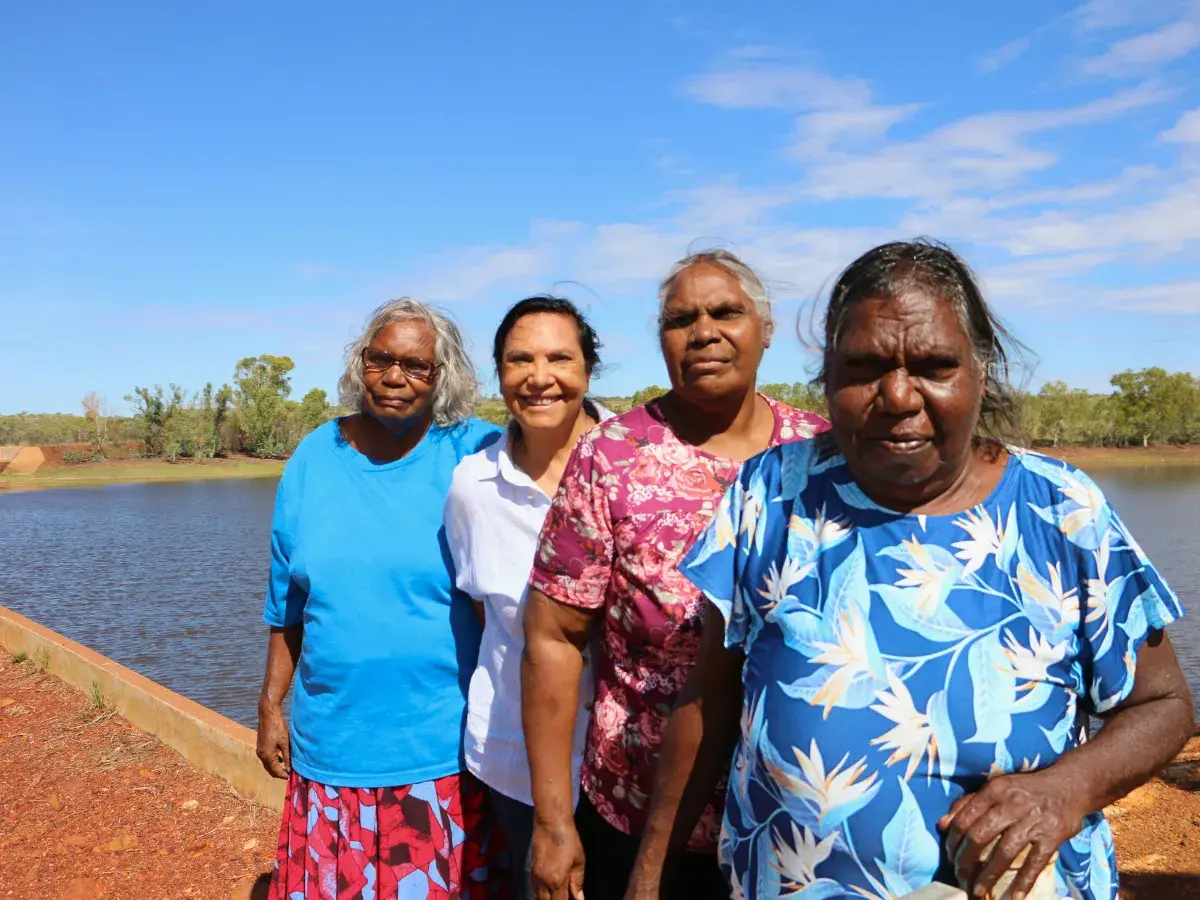
Singing for Our Little Ones creators Rosemary Plummer, Dr Shellie Morris AO, Marlene Plummer and Miriam Frank. Photo by Shauna Upton.
Singing, storytelling, and sharing to start the day with joy and connection.
Supporting early learners with engaging, curriculum-aligned lesson plans that embed Aboriginal and Torres Strait Islander perspectives through music, movement and storytelling. Developed alongside First Nations artists and educators, these resources are perfect for early years classrooms. Helping to make your classroom learning fun, inclusive and meaningful!
Good morning! – Starting the Day with Joy, Language, and Energy.
Building Pride, Inclusion, and Tolerance through the Song “I Am”.
Strong Brain, Strong Heart, Strong Spirit – That’s Me!
Exploring Seasons Through Song and Culture.
Exploring Country – Animals and Landscape in Song.
The Environment Around Me.
Safe and Secure.
Respect – Learning Together, Two Ways.
Lullaby – Bedtime Routines and Gentle Rituals.
Lorem ipsum dolor sit amet, consectetur adipiscing elit. Ut elit tellus, luctus nec ullamcorper mattis, pulvinar dapibus leo.


Create your own Singing For Our Little Ones with these backing tracks to create it in your local language. Included in this purchase are instrumental and vocal stems for each song.
Each song is in a separate folder and has 3 stems in total, including a click track with a 2-bar count-in with tempos noted.
Participants can listen to the original vocal track for reference to the original recording.
You can then record your own vocal tracks, using the instrumental as the backing track. After that, simply mix your recorded vocals down with the instrumental track and create your own language versions of the songs.
The audio assets/deliverables to accompany the songwriting in language project are all included in the link above.
Rosie and the Ant – This book was inspired by the true story of the first English word that Rosemary Plummer learnt and how she learnt it. She shared the story with Emily Murphy-O’Neill as they sat drinking cups of tea and Rosemary was creating the album with the other ladies. Emily was deeply inspired by this story and how it formed part of a life-long dedicated of Rosemary’s to champion language and encourage people to learn Warumungu. She wrote the book with Rosemary’s blessing and they have an equal profit share agreement in place.
Lorem ipsum dolor sit amet, consectetur adipiscing elit. Ut elit tellus, luctus nec ullamcorper mattis, pulvinar dapibus leo.
Aboriginal and Torres Strait Islander listeners and viewers are warned that the songs on this album and images in this booklet may contain images and voices of deceased persons. All participants have consented to the use of their images, names and voices any time into the future, including after their death.
Lorem ipsum dolor sit amet, consectetur adipiscing elit. Ut elit tellus, luctus nec ullamcorper mattis, pulvinar dapibus leo.
Lorem ipsum dolor sit amet, consectetur